








Historical Context
The theory of automating road vehicles has evolved significantly — from early experiments with radio control and embedded road conductors to today’s self-contained systems like anti-lock braking (ABS) and advanced onboard computing.
1960s - 1970s

1970s
Assistive technologies for disabled drivers
In the 1970s, trials expanded to include a MKII Ford Cortina, a Mini, and a bus. These efforts informed assistive technologies for disabled drivers in the 2000s, with automation research continuing to the present day.

Photo by Heye Jensen on Unsplash
1987 - 1995
1987 - 1995
Prometheus
Prometheus (PROgraMme for a European Traffic of Highest Density and Unprecedented Safety) ran from 1987 – 1995 with 749 million Euros of funding from EUREKA (a European intergovernmental organisation for pan-European R&D funding and coordination). UK companies Lucas and Jaguar focused on areas including night vision and active cruise control with automatic braking, and lane departure warning.

Photo by Igor Murakhin from Pexels
2010
2010
Intelligent Transport Systems (ITS) gain adoption
The UK invested significant time and effort in Intelligent Transport Systems (ITS), including Cooperative ITS, as SatNav systems became mainstream. In 2010, the EU ITS Directive launched, with the UK being highly influential in shaping its scope and direction.

2013
2013
Mobile Robotics Group
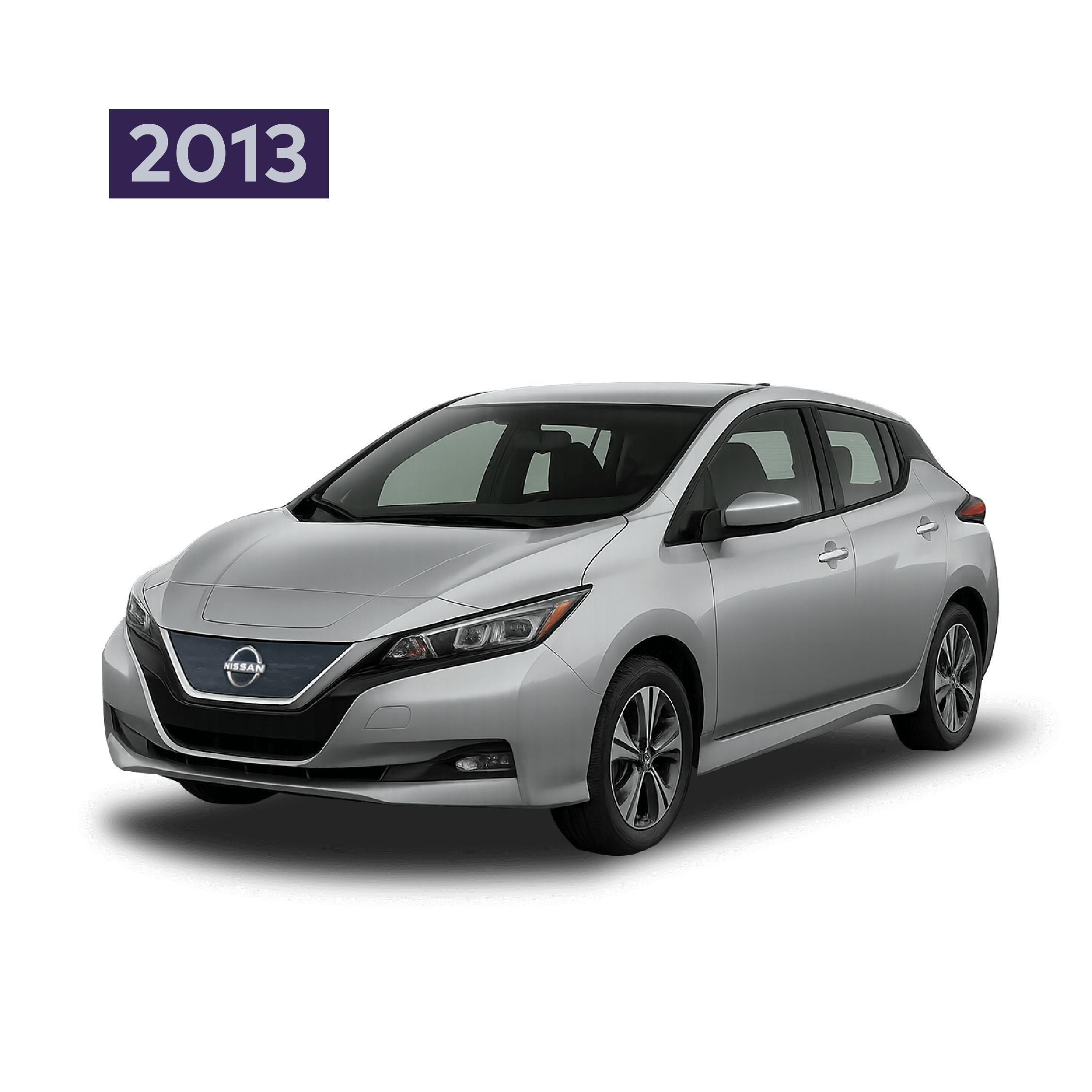
Oxford University’s Mobile Robotics Group tested a driverless car based on the British-built Nissan Leaf, highlighting the potential of vehicle sensor data.

2013
Intelligent Mobility
That same year, the UK Automotive Council identified Intelligent Mobility as a priority growth area and developed a supporting technology roadmap. The Chancellor also announced a regulatory review for driverless cars.
2014
2014
MIRA
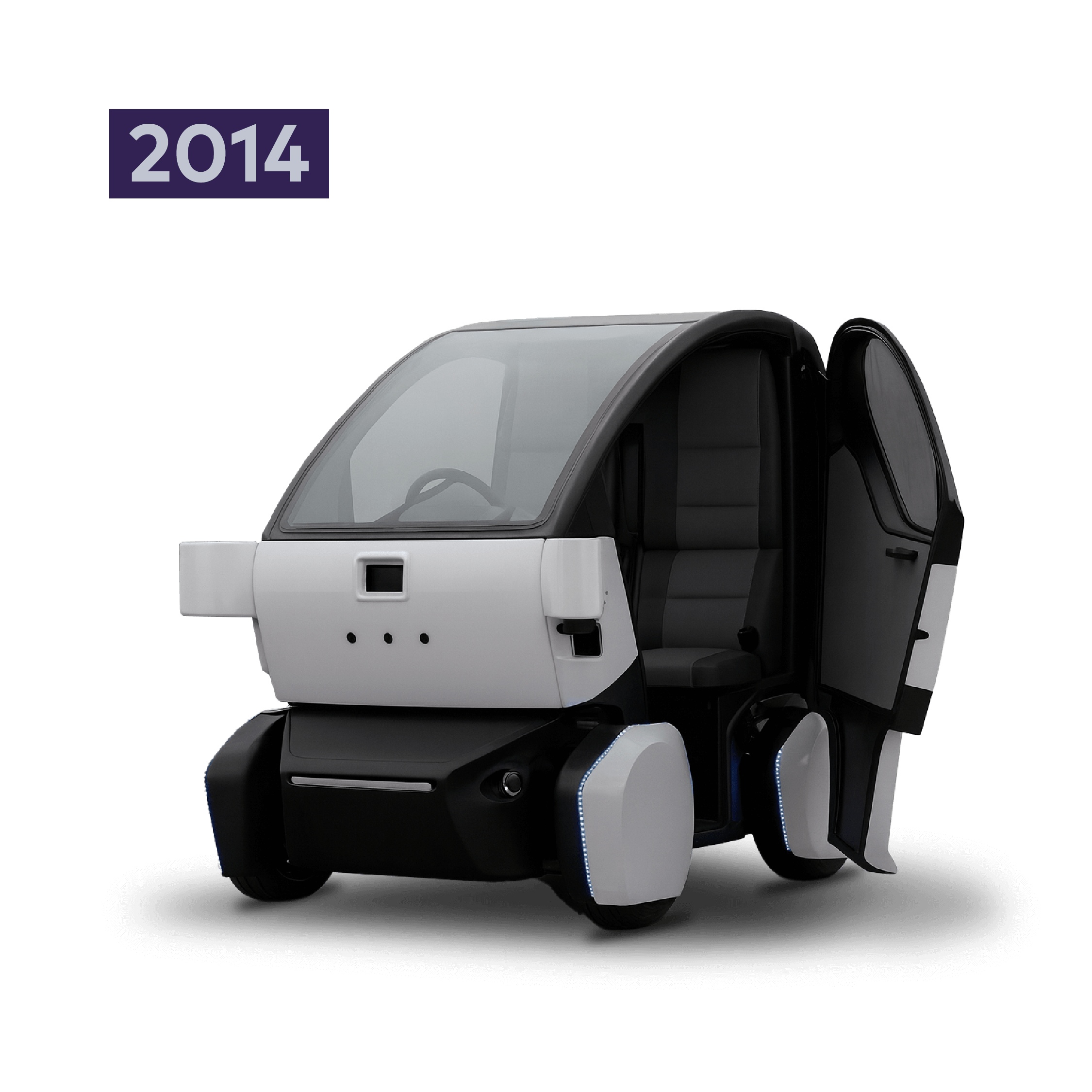
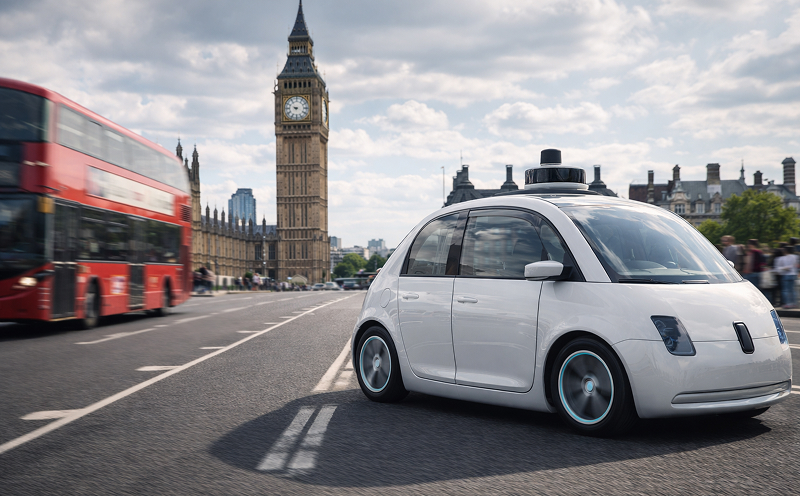
MIRA’s Future Transport Technologies group demonstrated a cooperative vehicle to the Business Secretary and press, showcasing how connectivity and automation can work together.

2014
Four Cities Driverless Car Trials
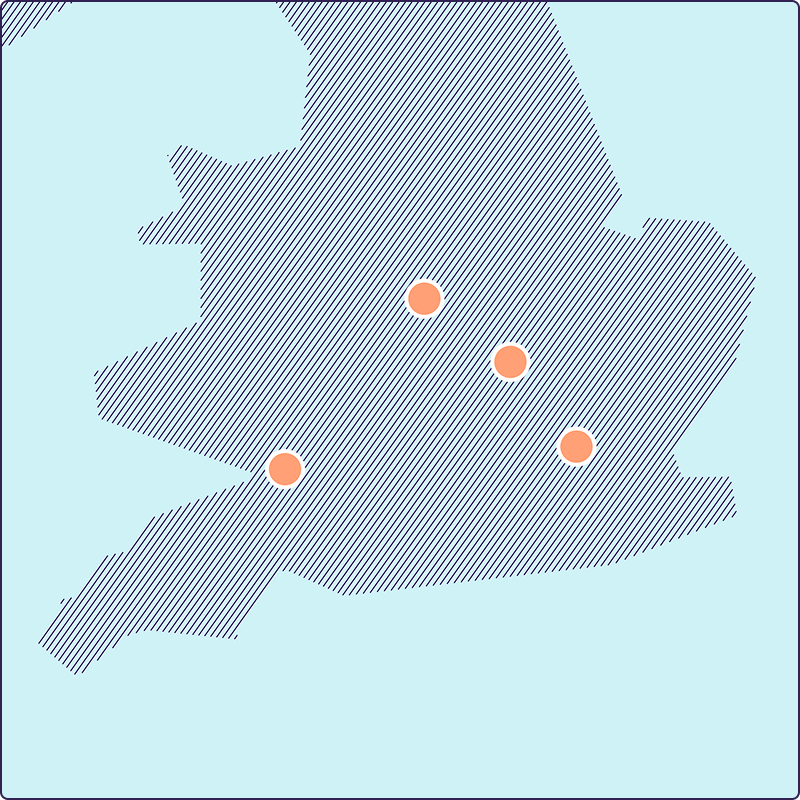
The UK Government launched the Four Cities Driverless Car Trials in 2014, initially funding £10 million (later increased to £19 million). Trials were announced for London (Greenwich), Bristol, Milton Keynes & Coventry.
2014
Motoring of the Future inquiry
The Transport Select Committee began its Motoring of the Future inquiry, and the Department for Transport (DfT) initiated a regulatory review and issued the Road Investment Strategy, enabling Highways England to support CAV testing on the Strategic Road Network.

Photo by Altaf Shah
2015
2015
Pathway to Driverless Cars
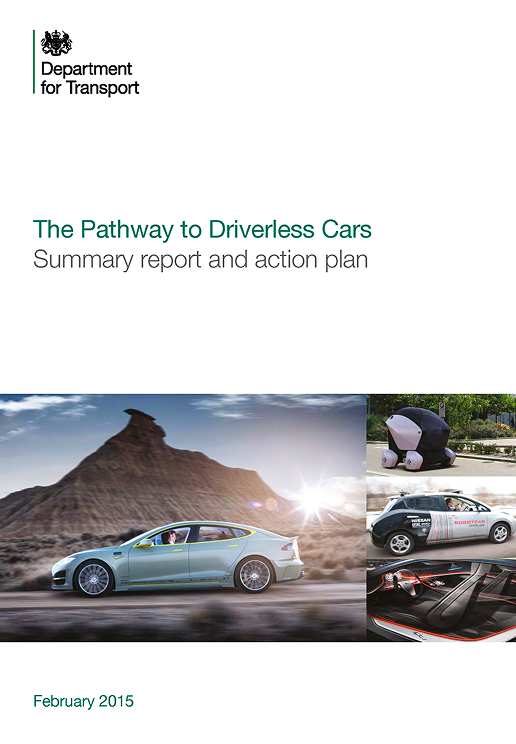
In 2015, the DfT published Pathway to Driverless Cars, which:
- Found no legal barriers to testing highly automated vehicles on UK roads.
- Committed to reviewing domestic regulations and working through the UNECE to amend international ones.
2015
Intelligent Mobility R&D Fund
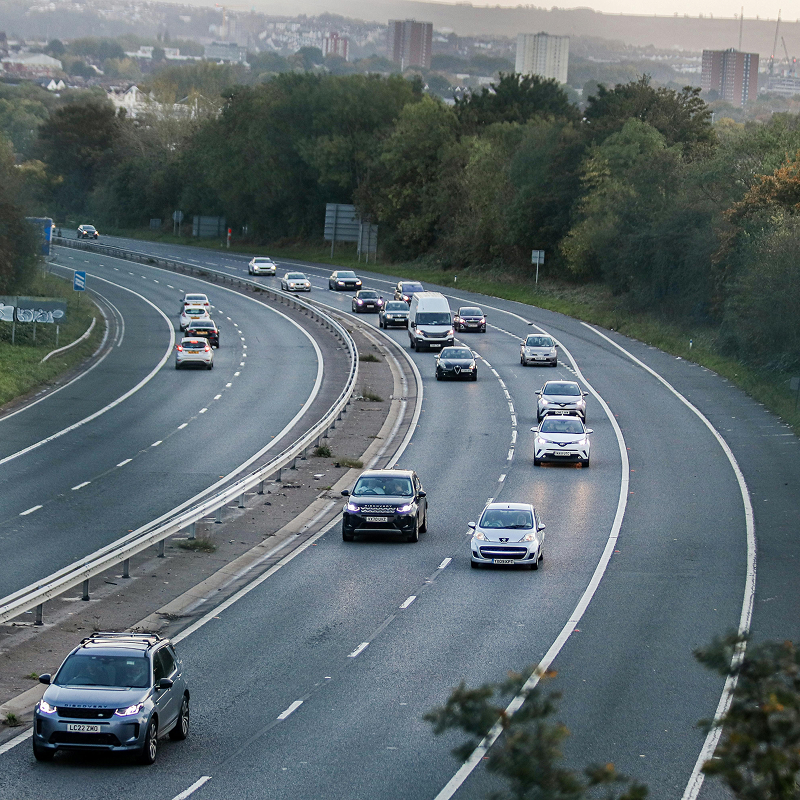
In 2015, feasibility studies began for a London–Dover connected corridor (A2/M2), and the Chancellor announced a £100 million Intelligent Mobility R&D Fund (to be matched by industry). The first £20 million competition launched in July, alongside the Code of Practice for Testing Driverless Cars.
2015
CCAV
The Centre for Connected and Autonomous Vehicles (CCAV) was established in 2015 as a joint unit between the Department for Business and Trade and the Department for Transport. The first CCAV competition launched alongside the Code of Practice.

Contemporary Developments
2016
2016
First £20m awarded
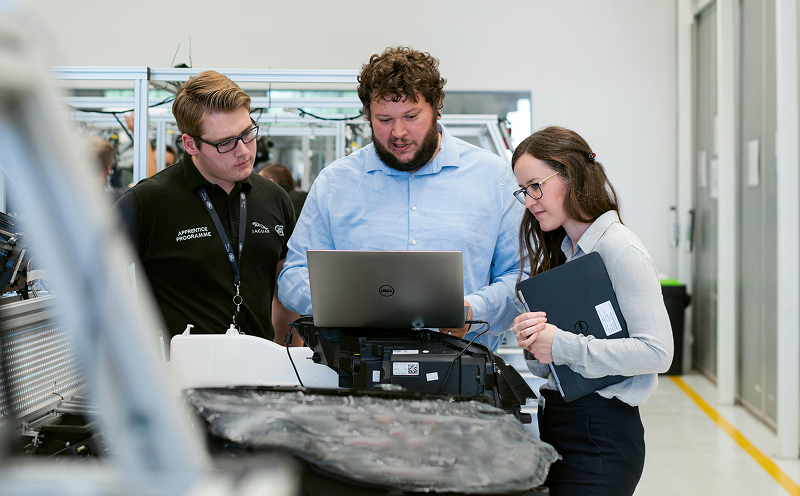
CCAV awarded the first £20m from the £100m Intelligent Mobility Fund to 21 collaborative R&D projects and feasibility studies.
2016
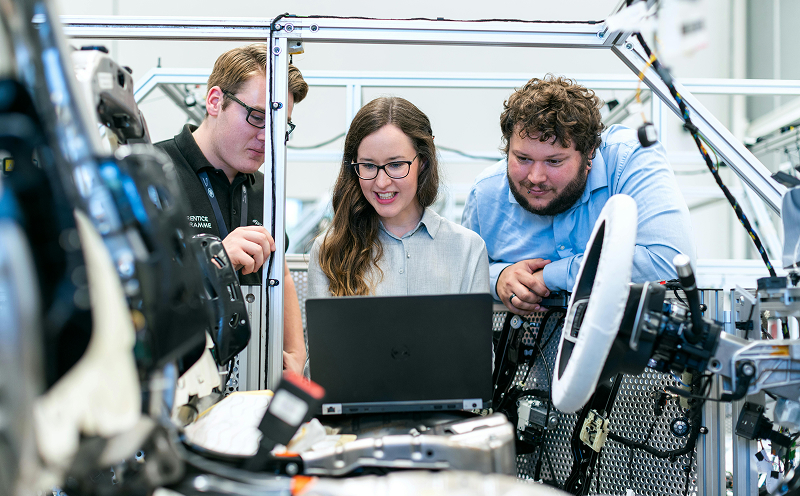
Truck platooning trial
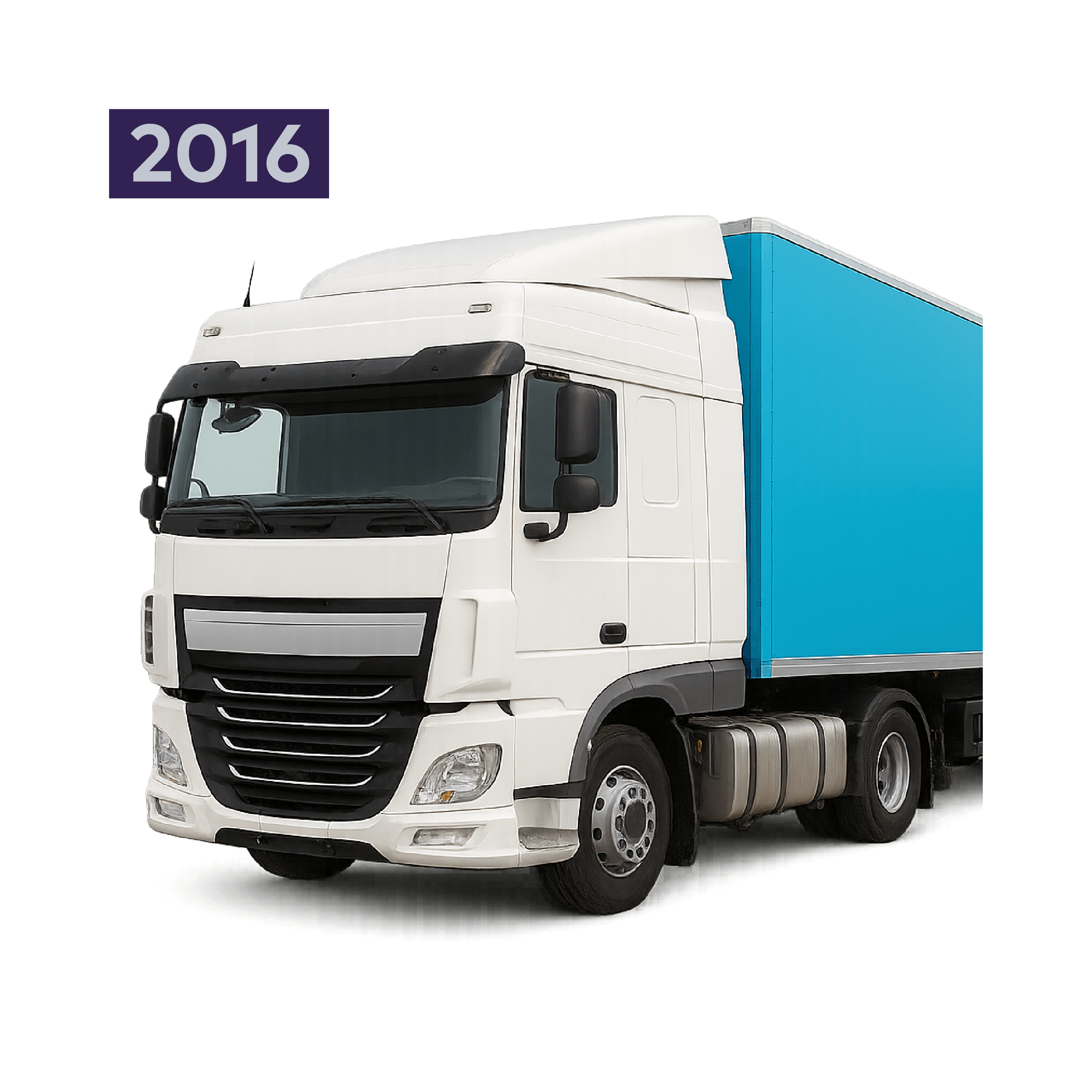
The UK’s first truck platooning trial began, with preparations for deployment on the London–Dover Connected Corridor.

2016
£100m announcement
The £100m CAM Testing Infrastructure fund was announced.
2016
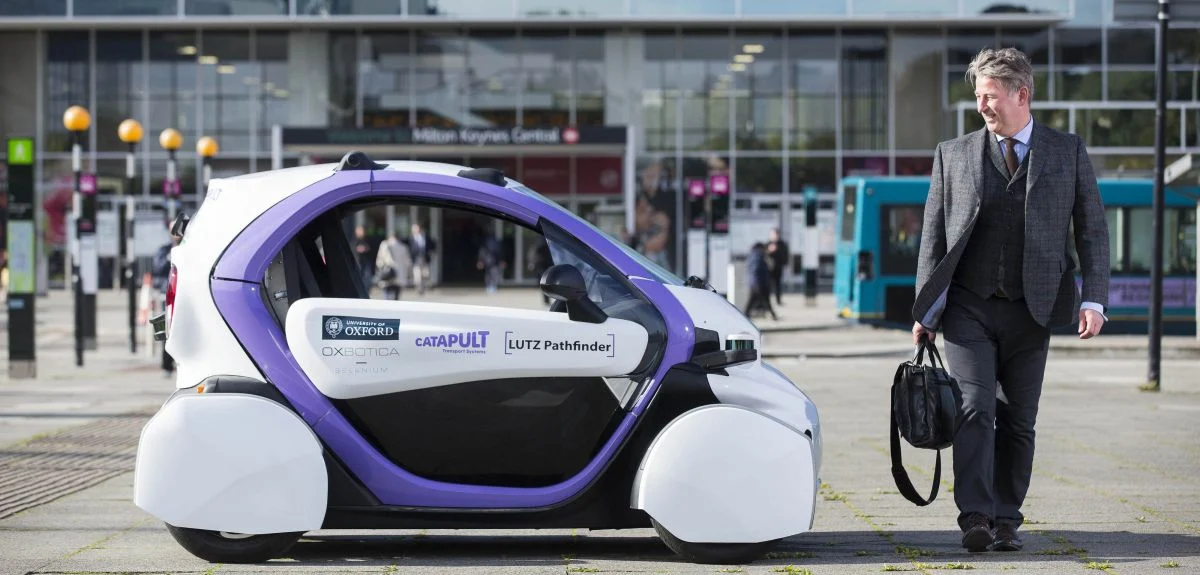
Self-driving vehicle trialled in UK public space for the first time
The LUTZ Pathfinder project concluded with the first demonstration of a self-driving vehicle in a UK public space.
2016
Additional funding round
The UK Government invested in numerous R&D projects, deployments, and testbeds. In April, CCAV announced plans for a second ~£30m R&D funding round (Autumn 2016). A consultation on regulation and a call for evidence on the national testing ecosystem followed. The Four Cities Trials went live.

Photo by Rui Chamberlain on Unsplash
2017
2017
CAM Testbed UK launch
CAM Testbed UK launched with four sites and £102 million from UK Government.

2017
Zenzic launches
Zenzic was created to accelerate CAM adoption and appointed to coordinate CAM Testbed UK.

2017
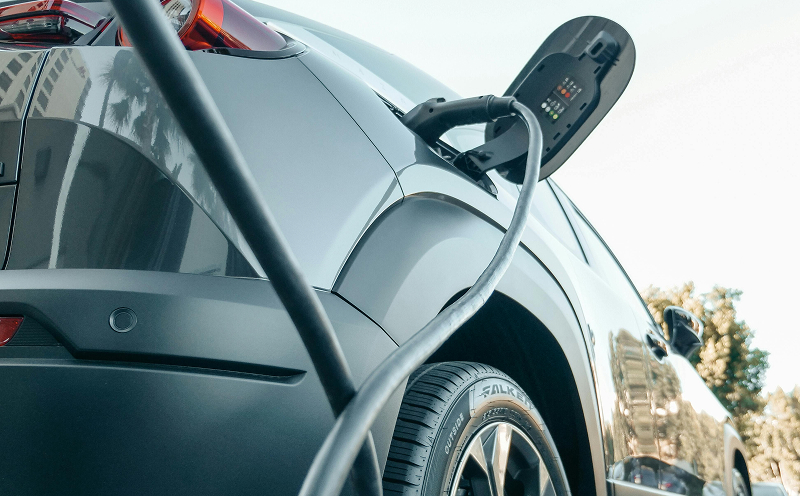
The Future of Mobility Grand Challenge was launched.
2018
2018
The Automated and Electric Vehicles Act 2018 introduced
This piece of legislation introduced compulsory insurance for automated vehicles.

2018
Four strategic investments totalling £123 million were committed from UK Government
Key stats:
- £32.6m £32.6 million invested in 22 R&D projects, including off-road tech.
- £32.4m £32.4 million invested in four testbeds for CAV data exchange and automated driving.
- £41m £41 million invested in three pilot CAV services in public/semi-controlled environments.
- £17m £17 million invested in six simulation and modelling projects.
2019
2019
CCAV review of legal framework
Key benefits:
-
The UK CAV Code of Practice was updated.
-
The Future of Mobility Urban Strategy was released.
-
CAVPASS was launched to create a safe regulatory regime for CAVs.
-
A Social Behaviour Research Report was published.
-
Law Commission Consultation Papers 1 and 2 were released.
2020
2020
The Future of Transport Urban Strategy regulatory review was launched.

Photo by Stock Birken on Unsplash
2022
2022
New Legal Framework
The Law Commission’s recommendations, outlined in a final report published in January 2022, include a new legal framework for self-driving vehicles, including new roles for users, manufacturers, and service operators, and a new regulatory oversight system.
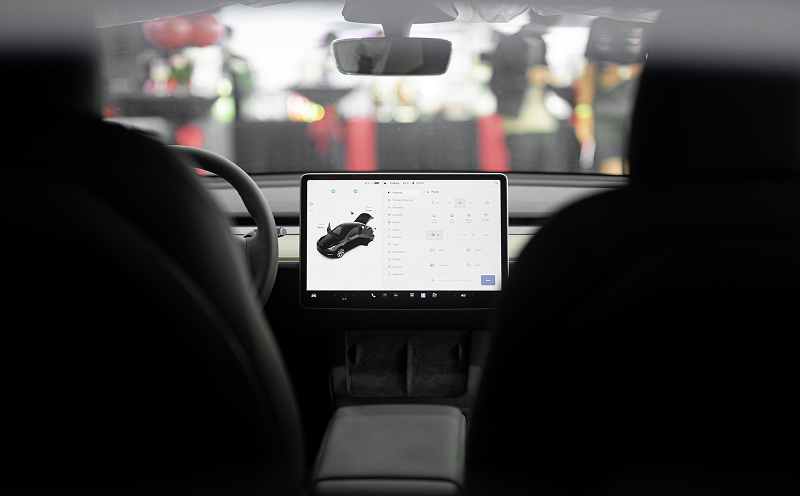
2022
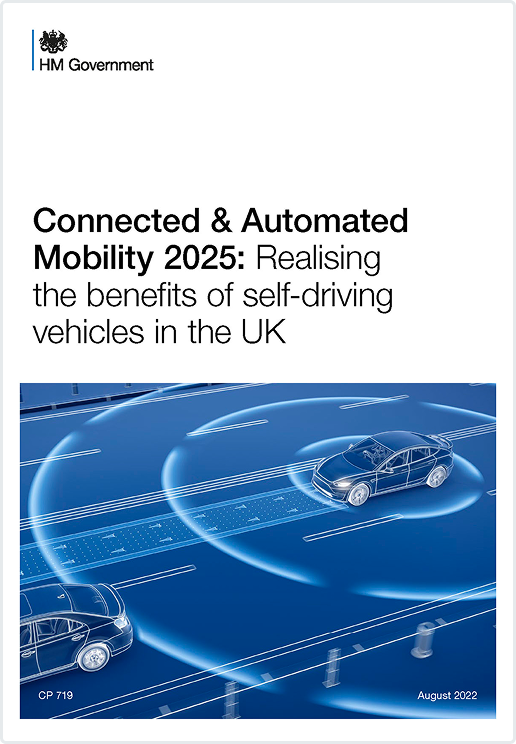
Connected and Automated Mobility 2025: Realising the benefits of self-driving vehicles
2022
Commercialising CAM launches
Commercialising CAM was launched — a £66 million, multi-year R&D and deployment programme.

2023
2023
The Code of Practice for Testing Automated Vehicles was updated.
An update to the Code of Practice offered further guidance for responsible trials, continuing to encourage engagement with authorities, and highlighting authorisations and exemptions for more complex trials, while maintaining flexibility to adapt to technological progress.

2024
2024
The Automated Vehicles Act 2024 ("the AV Act"):
Receiving Royal Assent on 20 May 2024, the AV Act defines “self-driving” vehicles, introduces a new authorisation regime, and clarifies responsibilities for manufacturers, operators, and users, establishing GB’s first comprehensive legal framework for the safe deployment and regulation of self-driving vehicles.
Key benefits:
-
Safety first: clear and robust safety standard for AVs set through Parliament approved Statement of Safety Principles.
-
Innovation-ready: Enables flexible regulation and permits for automated passenger services.
-
Clear accountability: Legal responsibility shifts from the human driver to the authorised self-driving entity when active.
-
Public trust: addresses misleading marketing and consumer confusion around self-driving technology
2025
2025
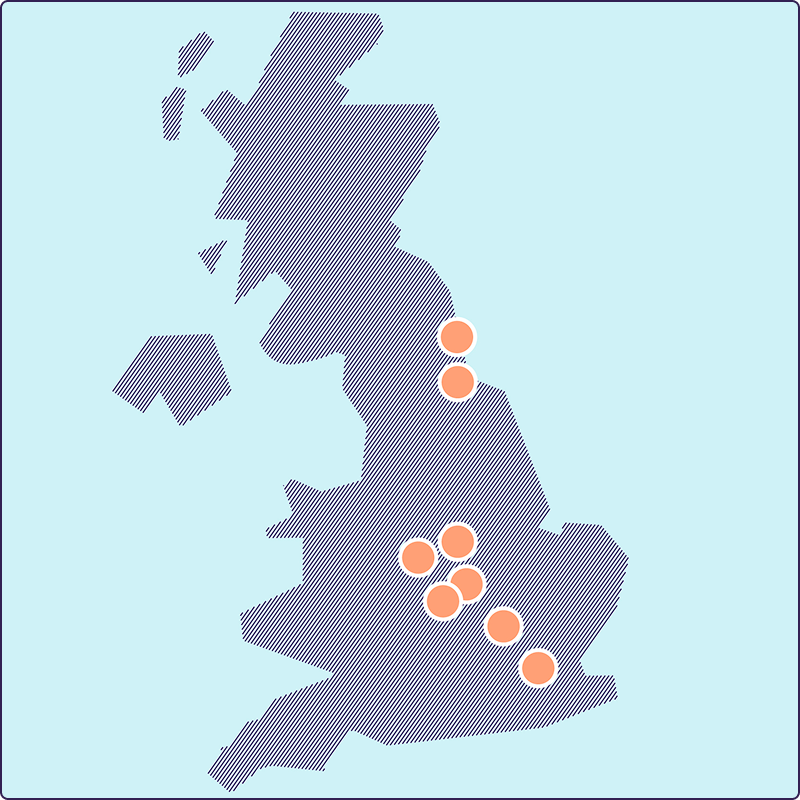
CAM Testbed UK expands to a total of 8 sites across multiple regions.
2025
Suite of consultations launched to support the development of the regulatory framework, including:
-
Call for evidence on the Statement of Safety Principles
-
Consultation on the Automated Passenger Services permitting scheme
-
Consultation on protecting marketing terms
-
Call for evidence on developing the automated vehicles regulatory framework
2025
Teesside Airport complete £0.9m CAM purchase
Teesside airport complete the purchase of the UK’s first autonomous passenger and baggage moving system with Aurrigo

Aurrigo.com
2025
CAM Pathfinder
A multi-year £150m programme of research, development, and deployments is announced.

2025
CAM Pathfinder competitions announced in September
Rt Hon. Sarah Jones MP, who was Minister of State for Industry at the Department for Business and Trade, announced more than £36 million of funding to be distributed through four CAM Pathfinder funding competitions Mobilise, Demonstrate, Enable and Feasibility Studies.

Cenex Expo
2025
Two new vehicle categories
In November, two new vehicles categories for automated vehicles are set to be adopted internationally by The UNECE World Forum for Harmonization of Vehicle Regulations (WP.29). These vehicle categories, X and Y accommodate automated vehicles, with and without passengers, respectively.

2026
2026
Ongoing development of the AV regulatory framework
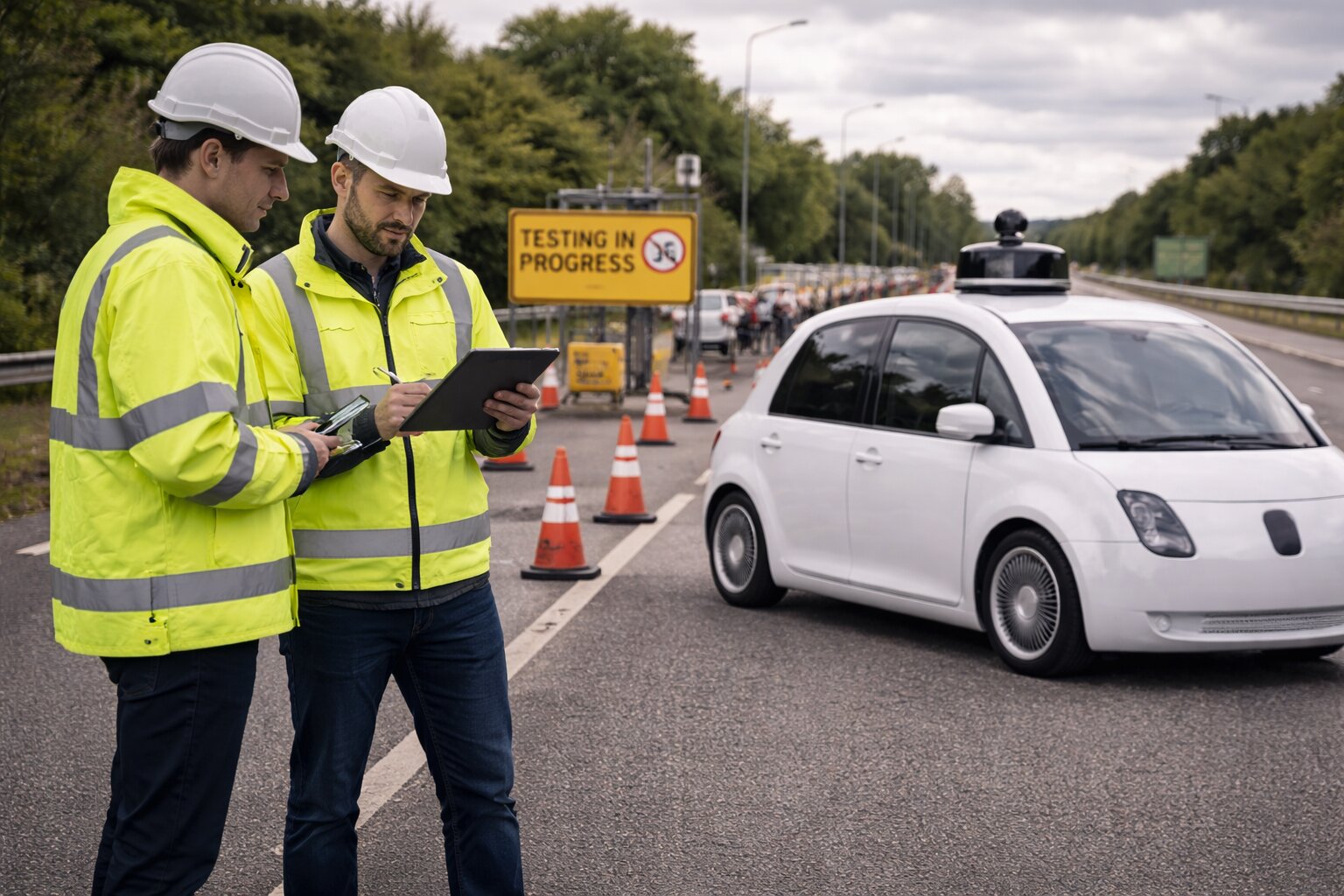
Ongoing development of the AV regulatory work, including future consultations on the Statement of Safety Principles.
2026
Automated Passenger Services
Future legislative milestones, including for the Automated Passenger Services permitting scheme.

Photo by ThisisEngineering on Unsplash

2027
2027
The Automated Vehicles Act
Subject to consultation outcomes, The Automated Vehicles Act regulatory framework will be implemented, maximising innovation and enabling investors and operators to develop and deploy the creative self-driving solutions that can drive growth.

Photo by Rosemary Li on Unsplash
2030 and Beyond
UK CAM Sector is providing well-paid jobs in technology & manufacturing, supporting the wider economy through safe, efficient, cheap, and effective automated transit and logistics.
Speak to us
Want to learn more?
To learn more about the CAM Timeline, and the wider UK CAM ecosystem, get in touch with the Zenzic team today.
All grant-funding is subject to Ministerial and His Majesty’s Treasury approval and will be awarded in accordance with the Minimal Financial Assistance provision outlined in the Subsidy Control Act 2022.

{{ teamMember.name }}
{{ teamMember.title }}