
Barriers and opportunities for automation in UK ports
By Mark Cracknell, Programme Director, Zenzic
PD Teesport recently announced a US$5.1m deal with Westwell for a fleet of electric autonomous terminal tractors at Teesport Container Terminal 2. It is the latest sign that automation is gaining momentum in UK ports, but the bigger challenge remains: moving from promising pilots to deployment at scale.
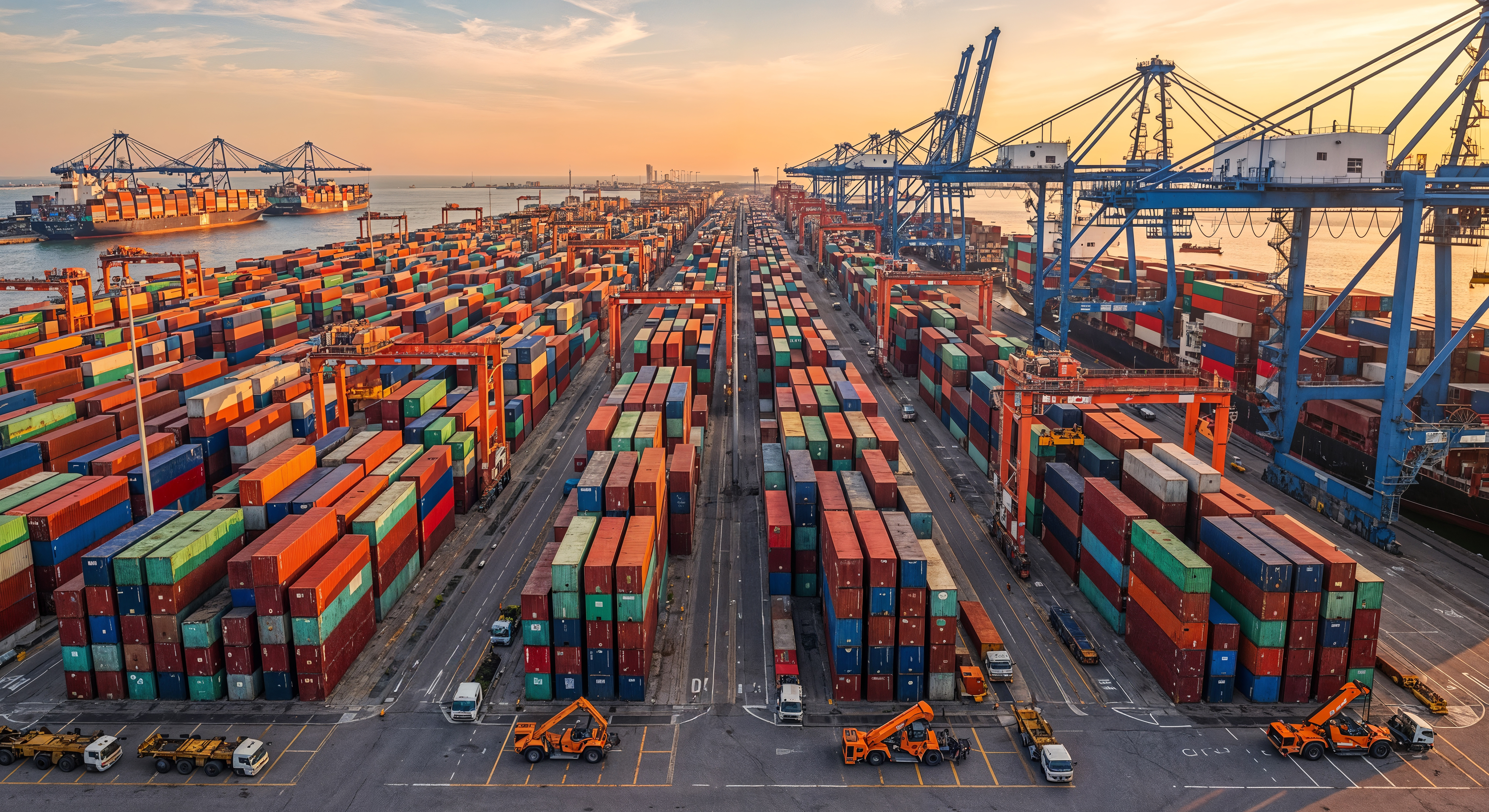
The UK has one of Europe’s largest and most diverse port industries, comprising around 120 commercial ports ranging from major deep-sea container hubs to specialised bulk terminals and smaller regional ports.
In addition to these, the country also has over 400 non-cargo handling ports and harbours, supporting fishing, leisure, and local connectivity needs, meaning there is no ‘one size fits all’ approach to deploying Connected and Automated Mobility (CAM) solutions along the nation’s shores.
The UK port landscape is also overwhelmingly brownfield, with only a handful of the country’s 120 commercial ports developed as true new-build greenfield sites in recent decades. As a result, over 95% of UK ports are characterised by legacy infrastructure, constrained development space and diverse operating models.
Our report, ‘Barriers and Opportunities for Automation in UK Ports’, produced by WSP on behalf of Zenzic, explores what is holding back deployment and where UK ports can build a competitive advantage.
What we found is that the adoption of CAM technologies in UK ports is shaped by a complex interaction of physical, digital, regulatory, workforce, economic and environmental factors, rather than by technology maturity alone.
The structural reality of brownfield ports, for example, shapes the feasibility, cost and pace of automation, and differentiates the UK from international leaders characterised by large-scale, purpose-built greenfield terminals. As a result, automation in UK ports is more likely to progress through incremental, mixed-mode deployment rather than whole-terminal transformation. This is not simply a constraint: expertise in retrofitting complex, operational ports could become a valuable UK export.
Share