

10 April 2026: One of the UK’s first autonomous vehicle routes could arrive in Cambridgeshire, as the Wellcome Genome Campus embarks on a ‘game-changing’ study to help boost connectivity and growth in the region.
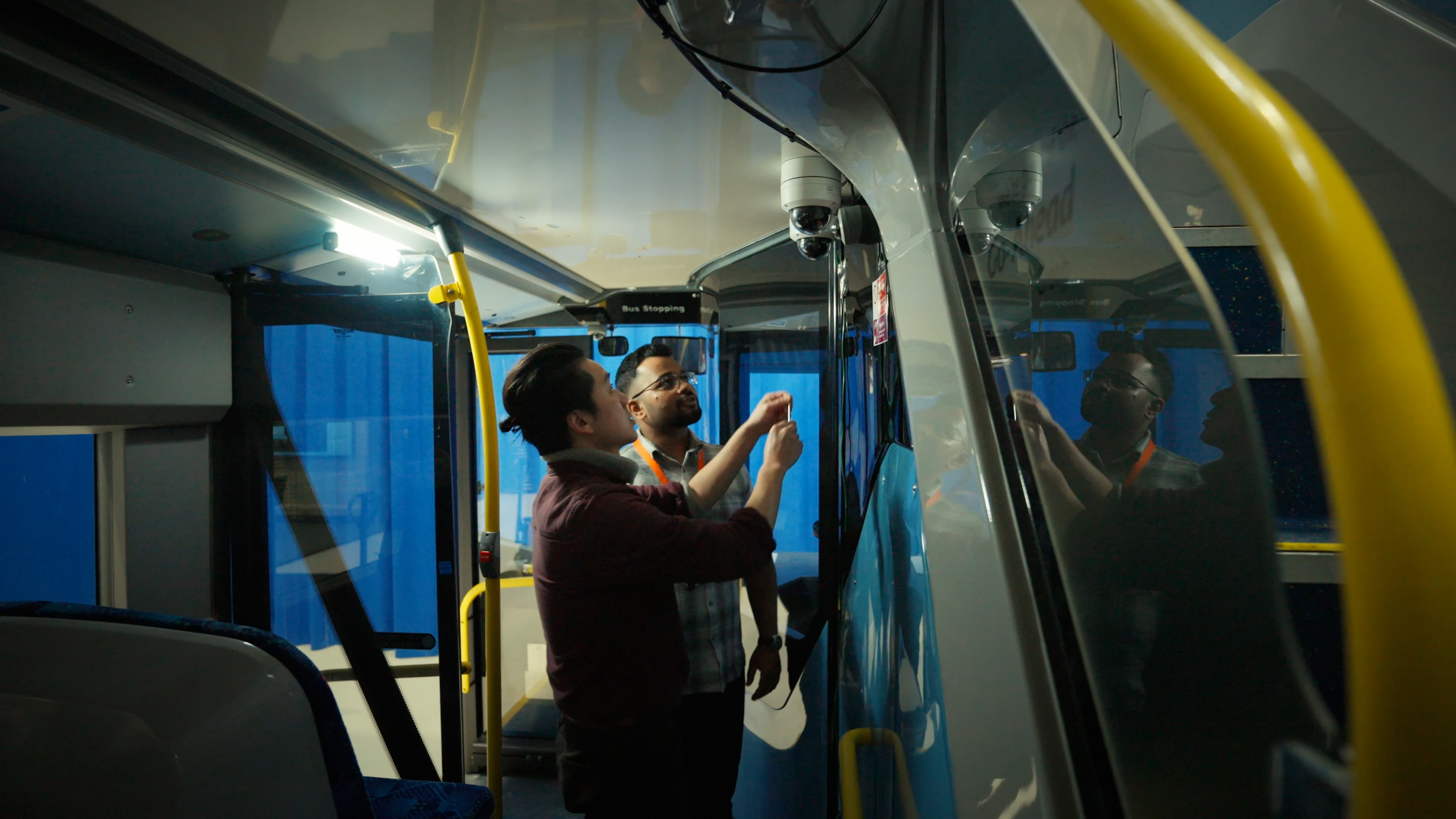
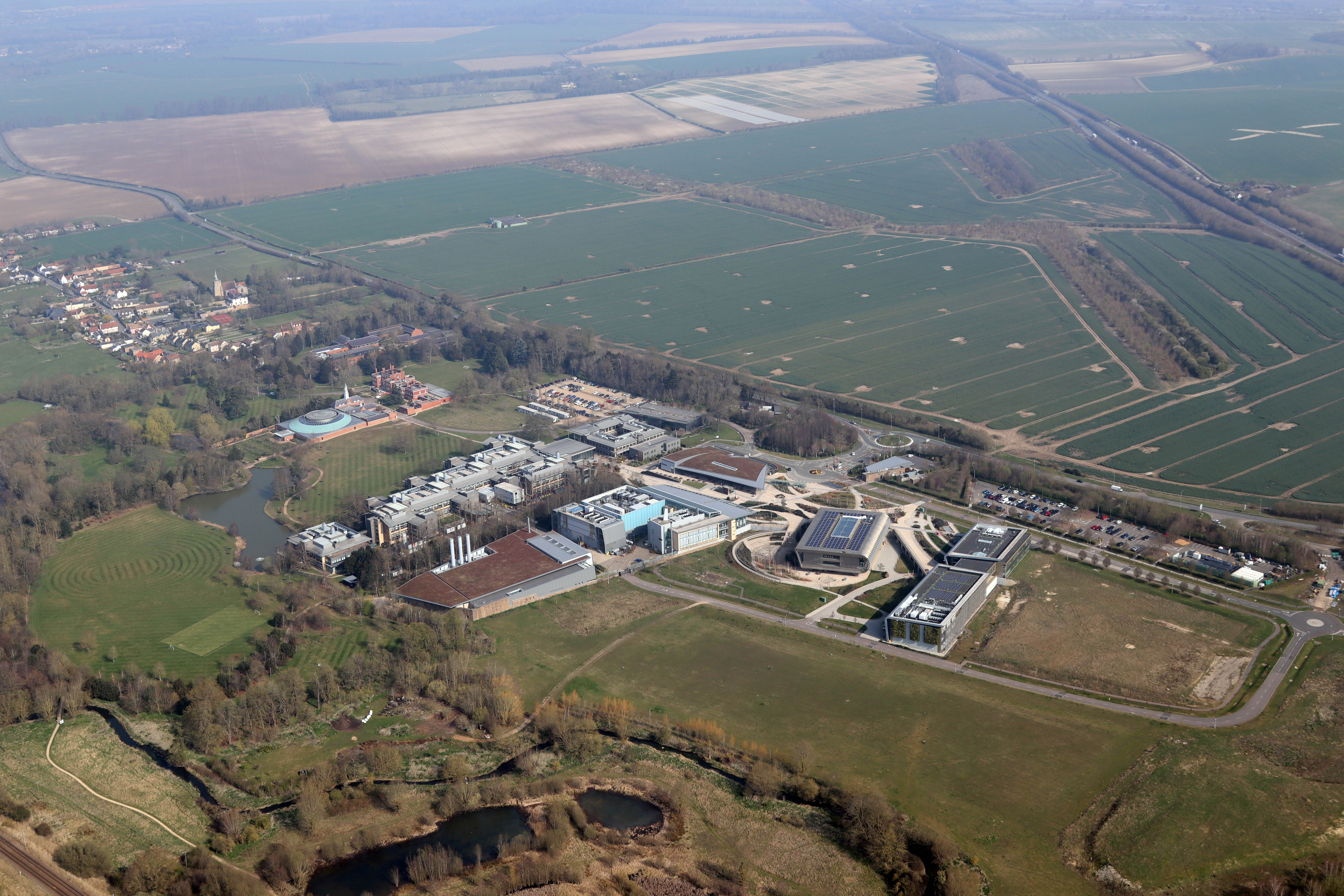
The world-renowned Campus is investigating the potential for a dedicated route for electric autonomous vehicles between the Hinxton-based site and Whittlesford Parkway railway station. This would create a safe, sustainable and reliable way for people to travel to and from the Campus, while also creating a scalable model for use of autonomous vehicles across the UK.
The Campus has received funding as part of the Government’s CAM Pathfinder Programme to carry out the year-long feasibility study. This will enable the Campus to understand what is needed to run the service safely, regularly and at a cost that could work long-term.
Currently, the Campus runs shuttle buses and coaches to and from Whittlesford Parkway to get people to the site, as there is no direct public transport link. A dedicated land corridor for autonomous vehicles would make it easier for workers and visitors to reach the Campus, offer predictable journey times, and help to cut congestion and emissions. Over time, the corridor could also evolve into a publicly accessible link, improving wider connectivity.
The proposed corridor leverages Wellcome Trust’s unique position as sole landowner of an uninterrupted stretch of land, potentially enabling a controlled environment for autonomous operations without the complexity of mixed traffic.
With Greater Cambridge continuing to grow as a global centre for life sciences and innovation, better transport links are key to attracting companies and investment and unlocking new jobs. The study will produce an investment-ready plan that could be relevant to science and innovation sites across Greater Cambridge and the UK, showing how autonomous vehicles can support growth and job creation.
Robert Evans, Chief Executive of the Wellcome Genome Campus, said: “As we progress with our major expansion – which will see our Campus triple in size over the next 10-15 years – we are looking at new transport solutions that support sustainable growth and better connectivity.
“We’re delighted to have been given the green light for this study, which will look into introducing one of the UK’s first corridors for autonomous vehicles. This would not only be game-changing for the Wellcome Genome Campus, but boost growth and connectivity more widely, while also delivering a scalable model for the use of autonomous vehicles across the UK.
“Government support for this study allows us to explore how autonomous technology can operate safely and reliably at scale and we are excited to get started.”
Mark Cracknell, Programme Director at Zenzic, said: “CAM solutions have the potential to unlock new business opportunities and wider economic growth. Through the CAM Pathfinder programme, these feasibility studies will help to articulate the impact that market ready CAM technologies can have in all corners of the country. Along with the Department for Business and Trade (DBT), and Innovate UK, we are excited to start working with the organisations delivering each of the eight projects to further develop their businesses cases, demonstrate the commerciality of their solutions and paint a clearer picture of the viable CAM solutions coming down the road.”
The Wellcome Genome Campus CAV Deployment Study is funded by UK Government, as part of the CAM Pathfinder Programme. CAM Pathfinder is delivered by DBT’s Connected and Automated Mobility (CAM) team, in partnership with Innovate UK and Zenzic.
About the Wellcome Genome Campus
The Wellcome Genome Campus, nestled in the peaceful countryside of Cambridgeshire, is home to a growing community of world-leading institutes, innovative companies and scientific talent. More than 3,000 brilliant minds work on Campus across genomics, biodata, health data and data science, harnessing machine learning and AI to discover new science and accelerate its translation into real world solutions to improve lives for everyone. Backed by the Wellcome Trust, the Campus is world-recognised and expanding for the future. Supported by one of the largest contemporary investments in the UK’s life sciences infrastructure, the Campus is growing from 125 to 440 acres over the next few years. Approved expansion plans integrate historic buildings, parklands and wetlands, with contemporary labs, R&D and commercial spaces, new homes, health, hospitality, sports and community uses, creating a global destination for innovation and collaboration in science and technology. The first phase is now underway and will be complete by 2028.
About Zenzic:
Zenzic was established by UK Government and industry to provide a trusted focal point and champion for the UK Connected and Automated Mobility (CAM) ecosystem. As a collaborative organisation, Zenzic helps to create alignment, build shared understanding, and ensure that progress in CAM contributes to national priorities.
About Innovate UK:
Innovate UK, part of UK Research and Innovation, is the UK’s innovation agency. Our mission is to help companies to grow through their development and commercialisation of new products, processes and services, supported by an outstanding innovation ecosystem that is agile, inclusive and easy to navigate.
Share